


Three EPDA Wins for Sonia G. and the Artisans Behind the Keyaki Kakishibu Brushes and Cranes over Mount Fuji Brush Holder
Published Jun 6, 2026

In January 2026, two Sonia G. products were recognized at the European Product Design Award—one of the most competitive design programs in the world. The Keyaki Kakishibu Tradition Series brushes, recognized in both the Beauty Tools and Other Designs categories, and the Cranes over Mount Fuji Act 3 brush holder, honored in Wellness and Beauty: Other Designs. It’s a meaningful moment that wouldn’t be possible without the artisans behind the designs, and one that means much more than a trophy.
Sonia G. collaborated with these two time-honored artisans—bringing her design ideas and working closely with them to create innovative new products rooted in traditional techniques passed down through generations.
“When we are so passionate about our work and love it so much,” Mr. Fujimori Uematsu said, “this is the most amazing reward.”
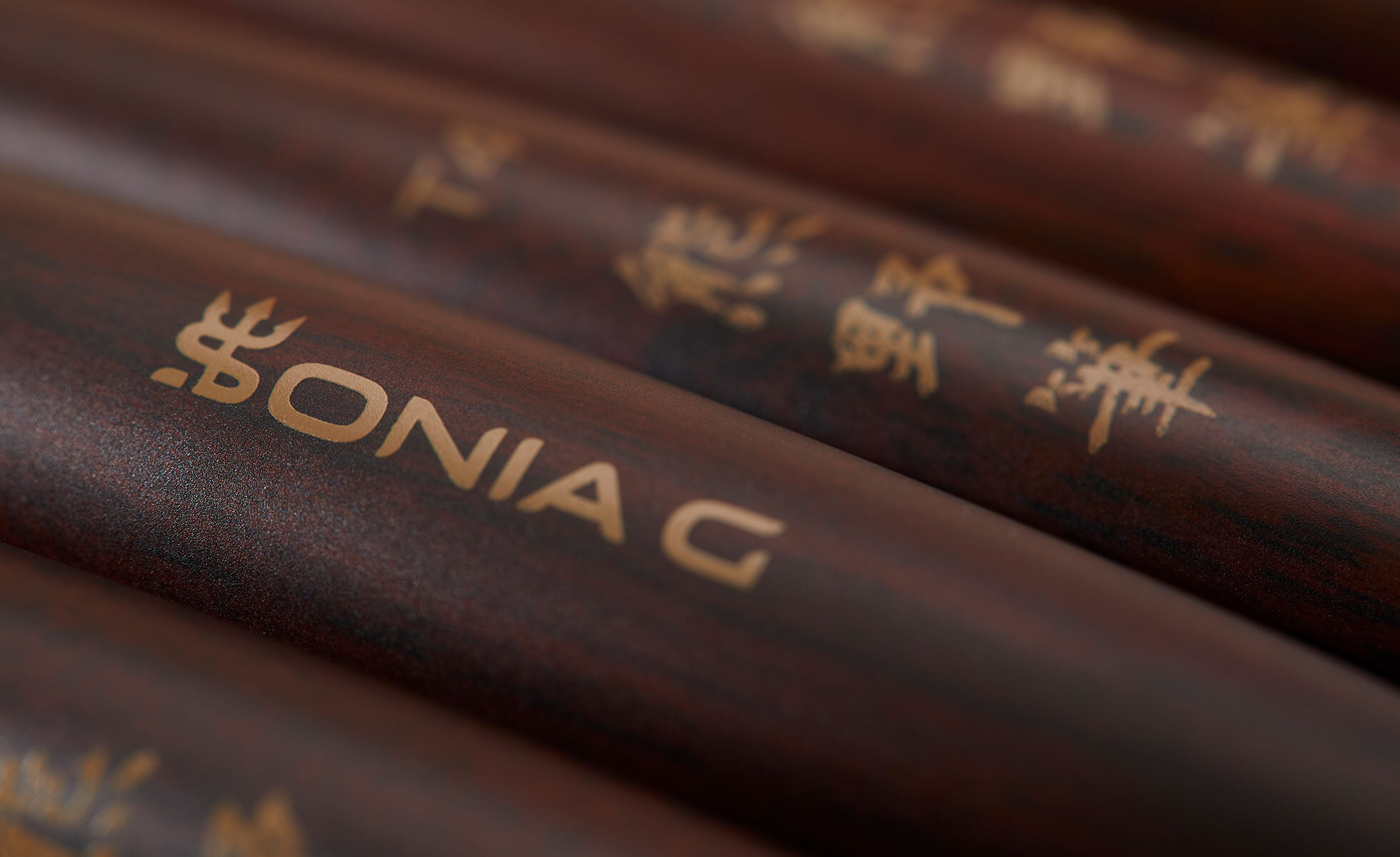
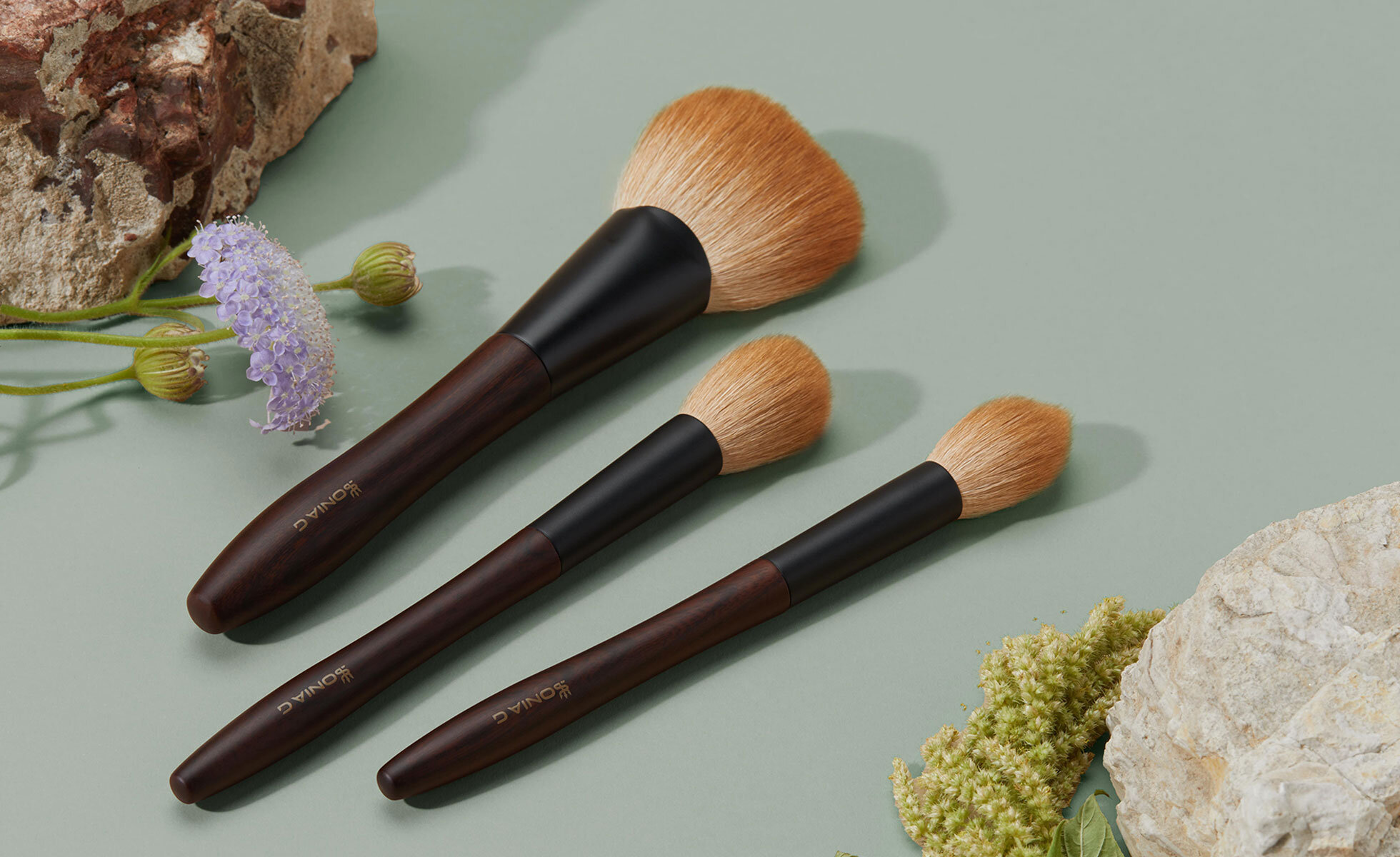
The Tradition Series: Keyaki Kakishibu Brushes: Winner in Wellness and Beauty: Tools, as well as Wellness and Beauty: Other Designs
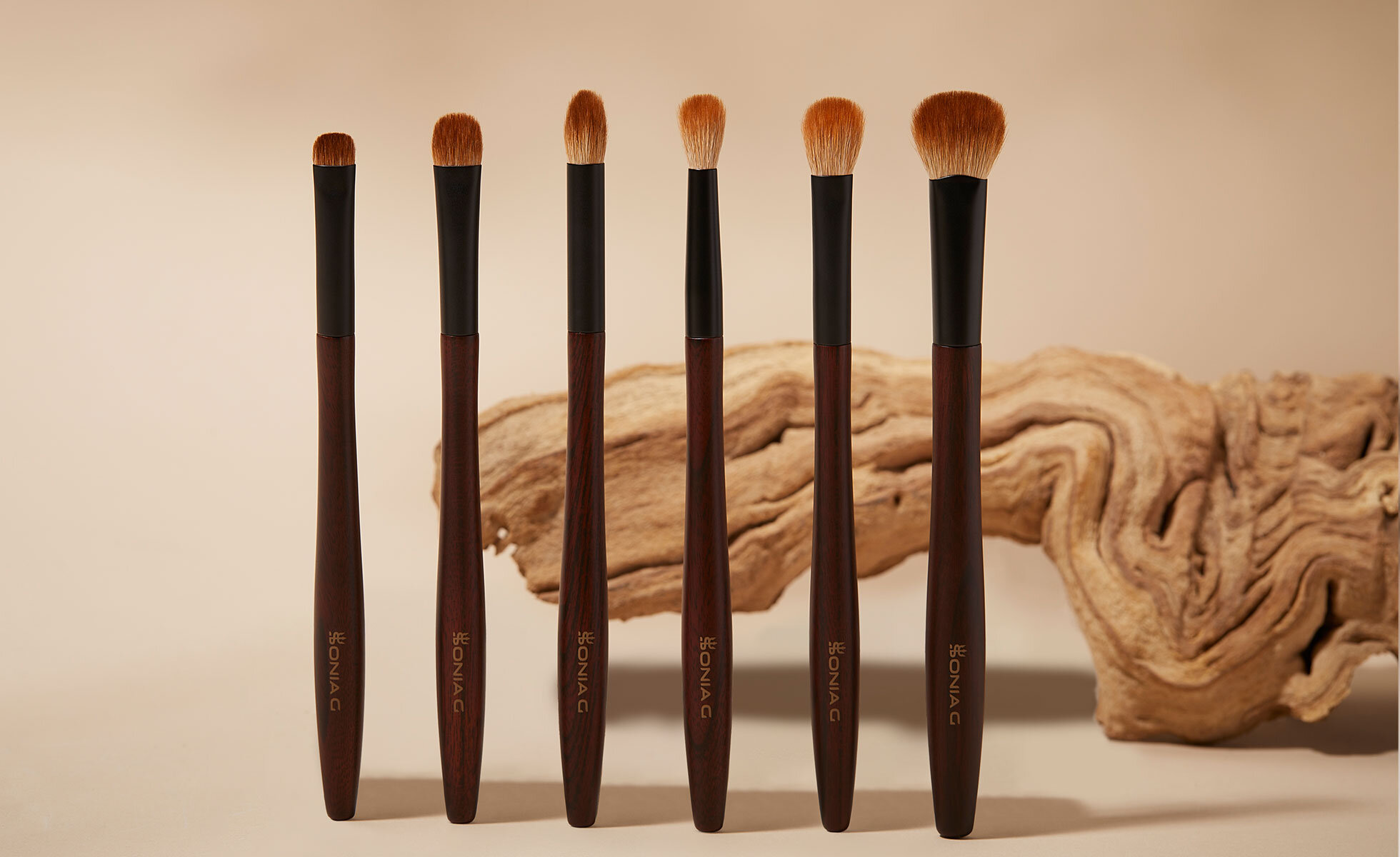
The Keyaki Kakishibu brushes, designed by Sonia G. and manufactured by the Kumano-based Japanese brushmaker KOYUDO, were born from a technique that dates back to the 13th century. The bristles are hand-dyed with kakishibu (persimmon tannin extract) using a process that unfolds over several days and depends as much on the weather as it does on skill. The dye is set by sunlight—a delicate process that makes consistency hard to achieve.
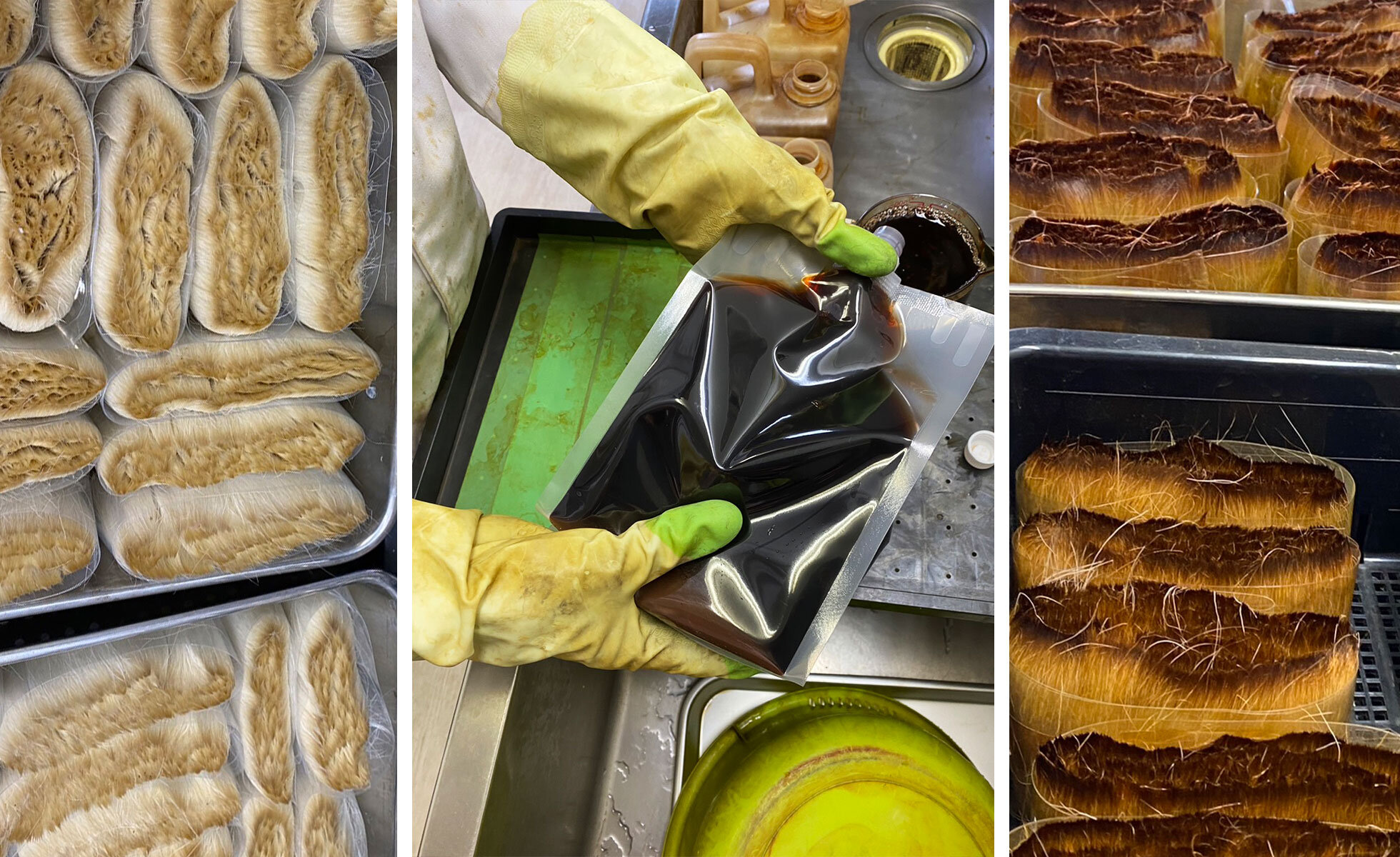
If the dye drips or pools before it dries, it leaves an uneven patch. If the sunlight hits unevenly, the color follows. Because the result depends on the bristles, the persimmons, the variability of sun exposure, and the time of year, no two batches are ever quite the same—and matching a consistent color across them is one of the quiet, ongoing challenges of the work.
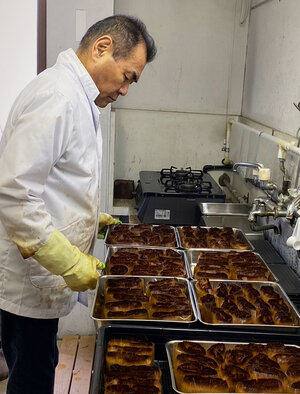
The knowledge is passed down through generations and mastered through skill and time. Mr. Fujimori Uematsu, Founder and CEO of KOYUDO and the master artisan behind the kakishibu dyeing, spent more than three years refining the process before reaching the color he was after. “You cannot learn how to do it from some AI tools such as Chat GPT,” he said with a chuckle.
Mr. Fujimori Uematsu was the first to use the kakishibu dyeing technique on brushes, introducing a new way to bring a time-honored technique into the hands of consumers around the world. The award is even more meaningful because the craft of makeup brush-making is not yet certified as a traditional craft in Japan.
This award doesn’t just recognize the finished product, but the precision and experimentation behind it. “It is not possible to make it overnight,” he said, “and because it is a method that was perfected after trial and error, it cannot be made just anywhere.”
The kakishibu dye isn’t simply decorative. Persimmon tannin has been valued in Japan since ancient times for its antibacterial properties. “Since my kakishibu dyed brush contains the wisdom of our predecessors,” Mr. Fujimori Uematsu said, “we are confident and proud to recommend it to our customers.”
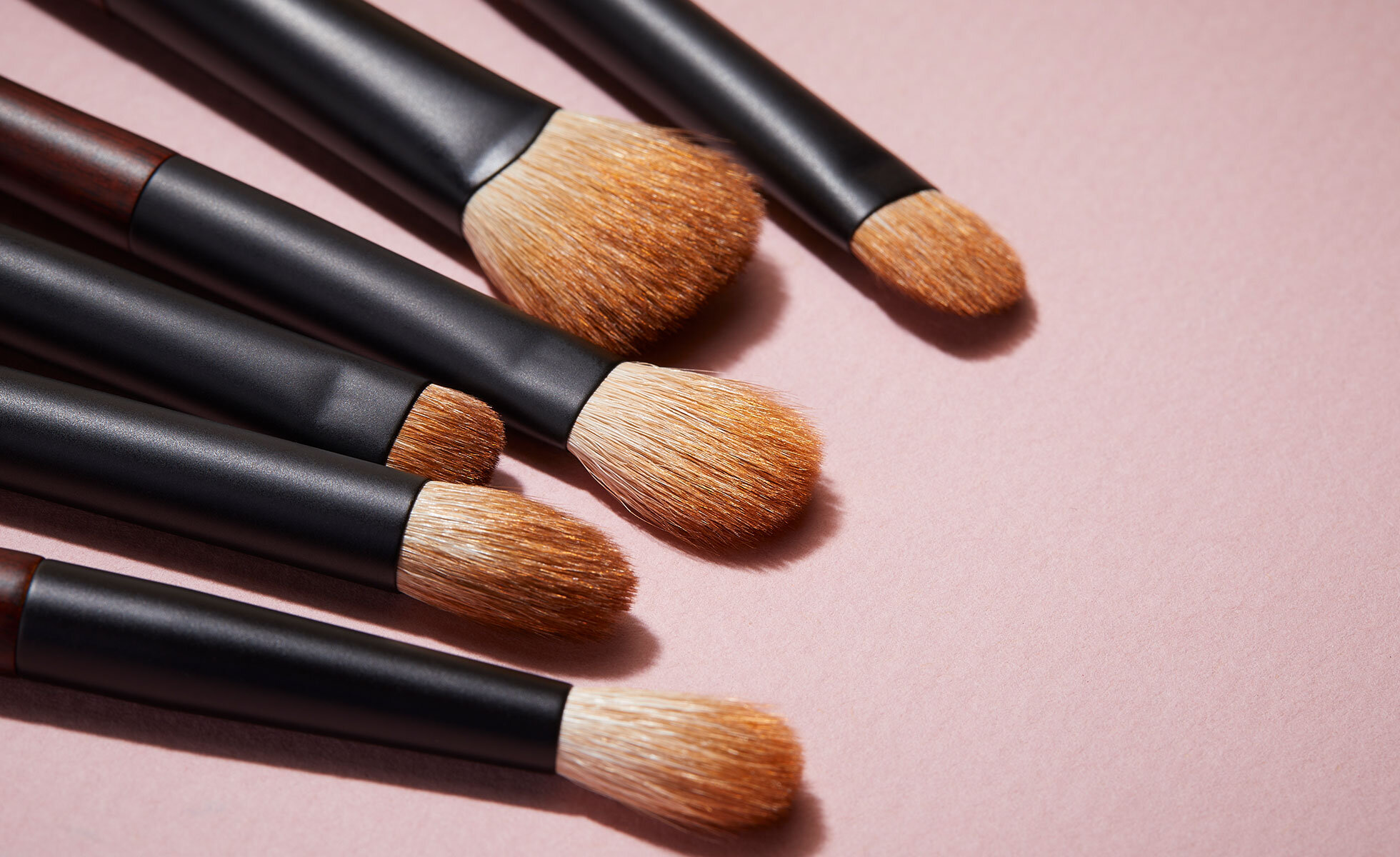
The double win at the EPDA—recognized in both Wellness and Beauty: Tools and Wellness and Beauty: Other Designs—reflected exactly that duality: a brush that performs and one that is appreciated for its design. “As an artisan, that means so much,” Mr. Fujimori Uematsu said, “because I always hope the brushes will be valued not only for how beautifully they perform, but also for the thought and craftsmanship behind them.”
Cranes over Mount Fuji Act 3 Brush Holder: Winner in Wellness and Beauty: Other Designs
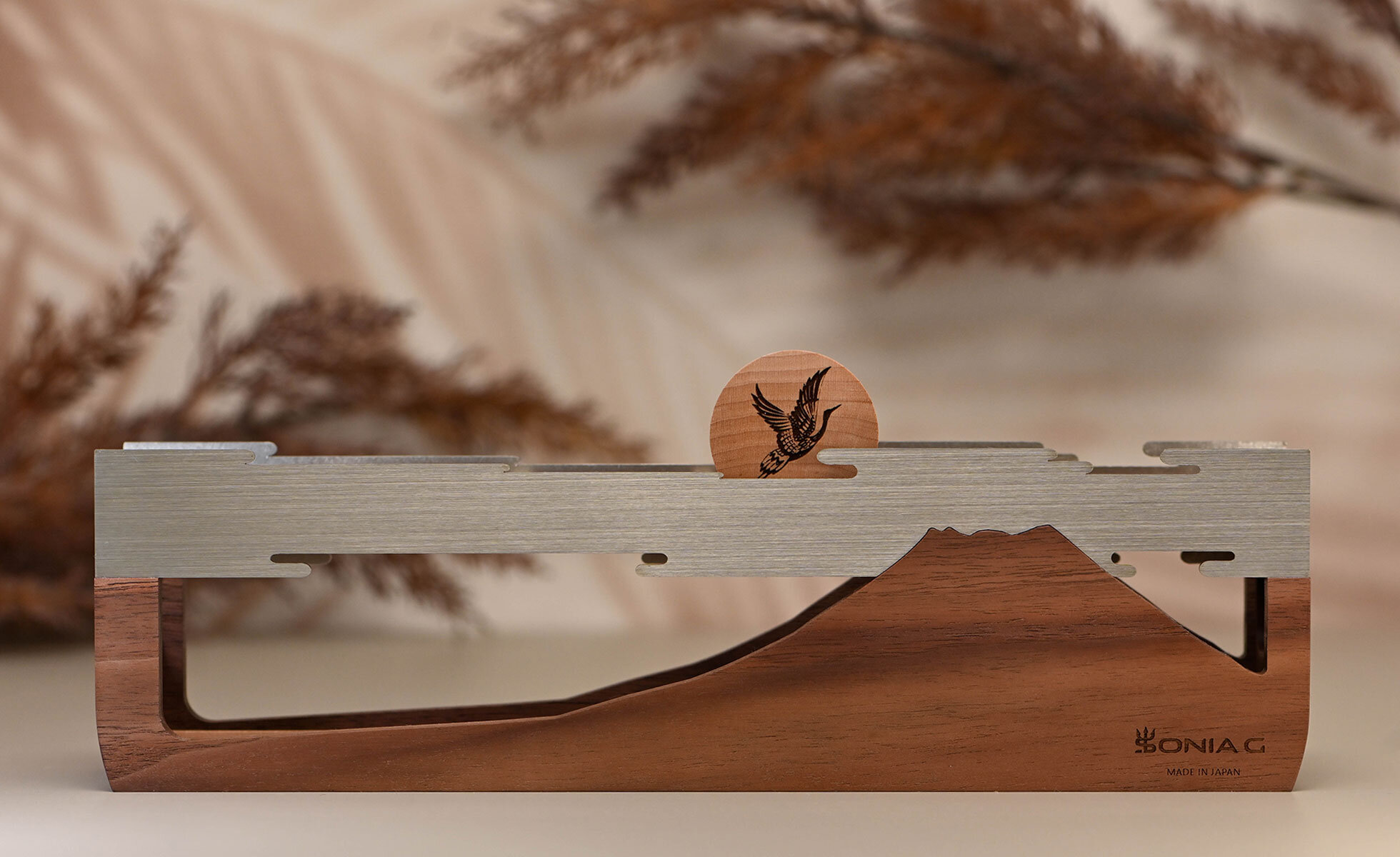
The Cranes over Mount Fuji Act 3 brush holder was created by Kazuma Iwata and his team of artisans, also based in Japan. This creation presented a different kind of challenge, and a different kind of collaboration.
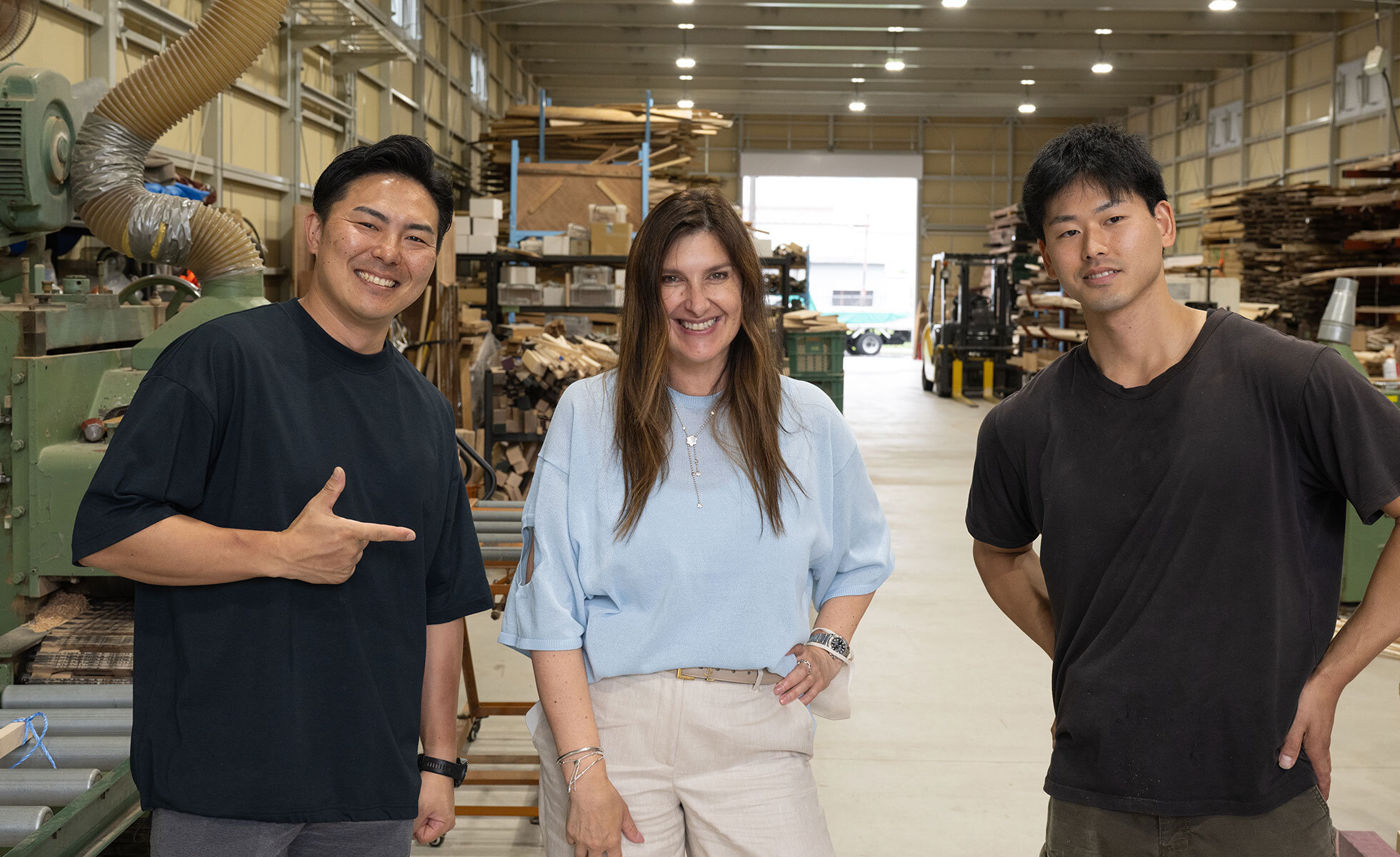
Sonia had spent a lot of time with Kazuma Iwata in his factory, and when she noticed he also worked with metal, she couldn’t stop thinking about a piece that brought metal and wood together. Kazuma Iwata and his team of artisans were excited to turn Sonia’s idea into reality, but it was no small feat—it took roughly 15 people to make it happen across design, lumber preparation, machining, sanding, and assembly. Stainless steel needed to feel light and fluid, to suggest the movement of clouds, while sitting alongside warm wood without the overall form looking heavy or cold. “Creating the proper molds and structure to combine wood and metal was extremely important,” Mr. Kazuma Iwata said, “and assembling the piece required very precise calculations. Even the slightest misalignment would affect the beauty of the final result.”
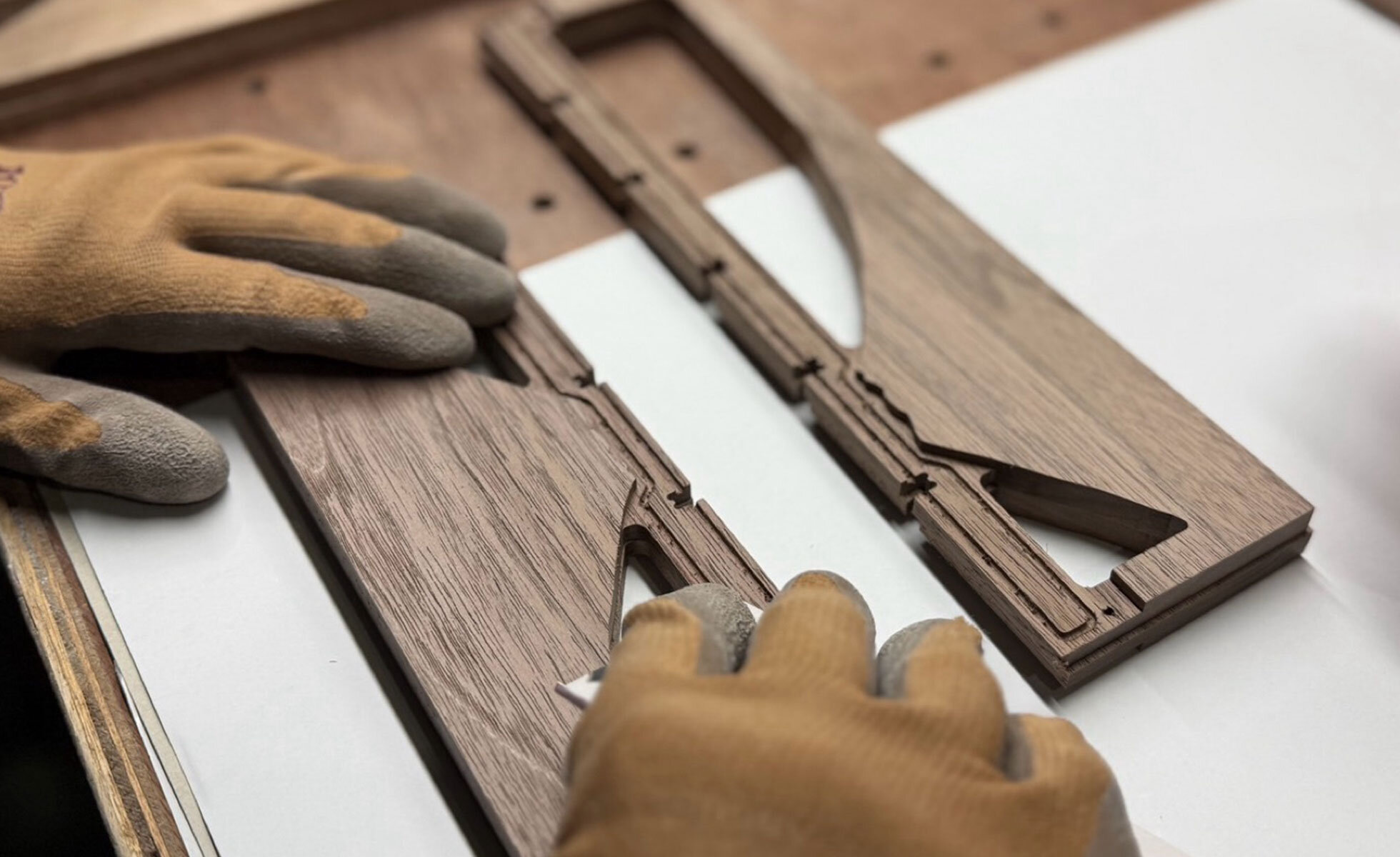
When the metal and wood first came together, they knew. “It was the moment when all of the careful calculations and attention to detail finally came to life.”
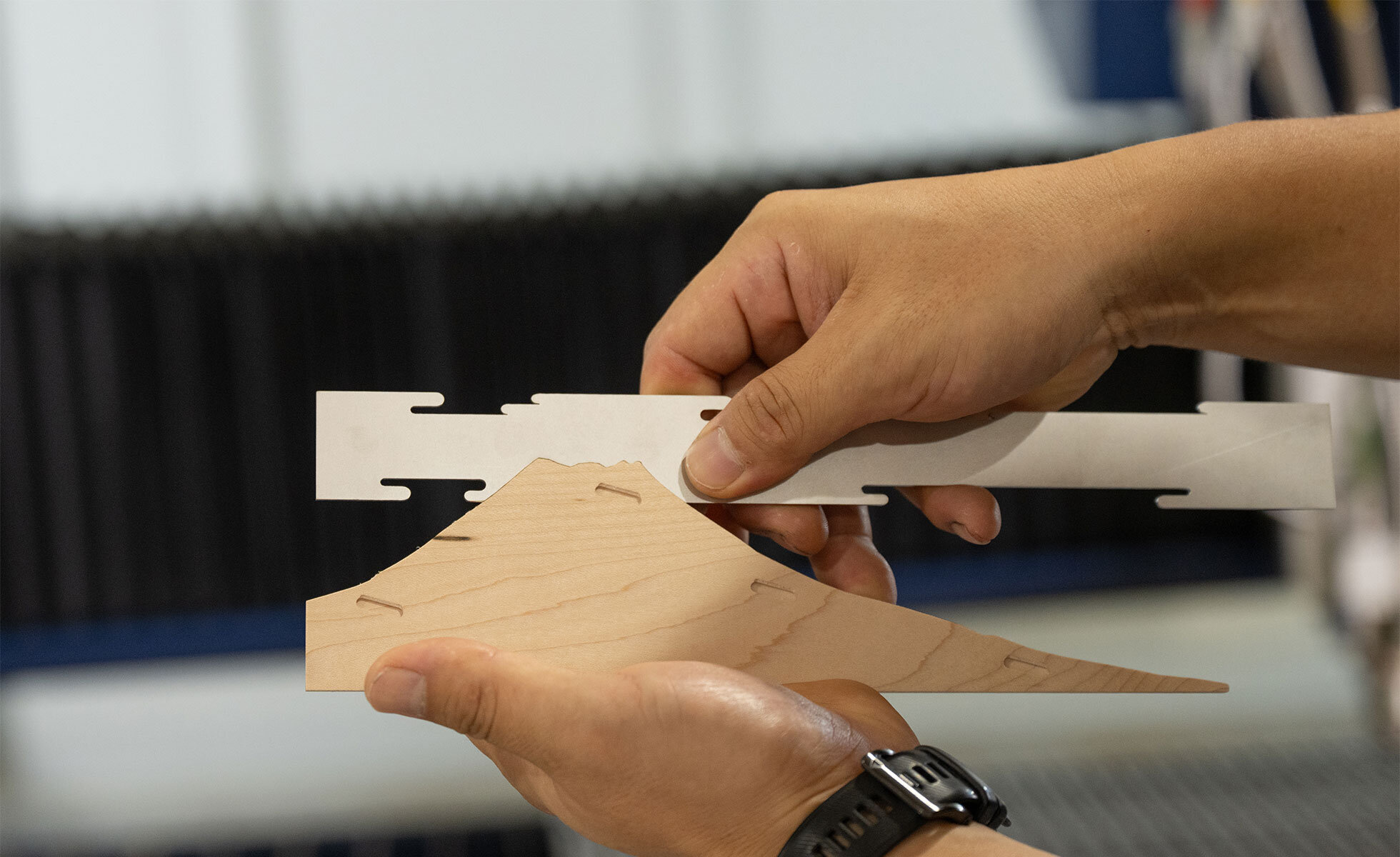
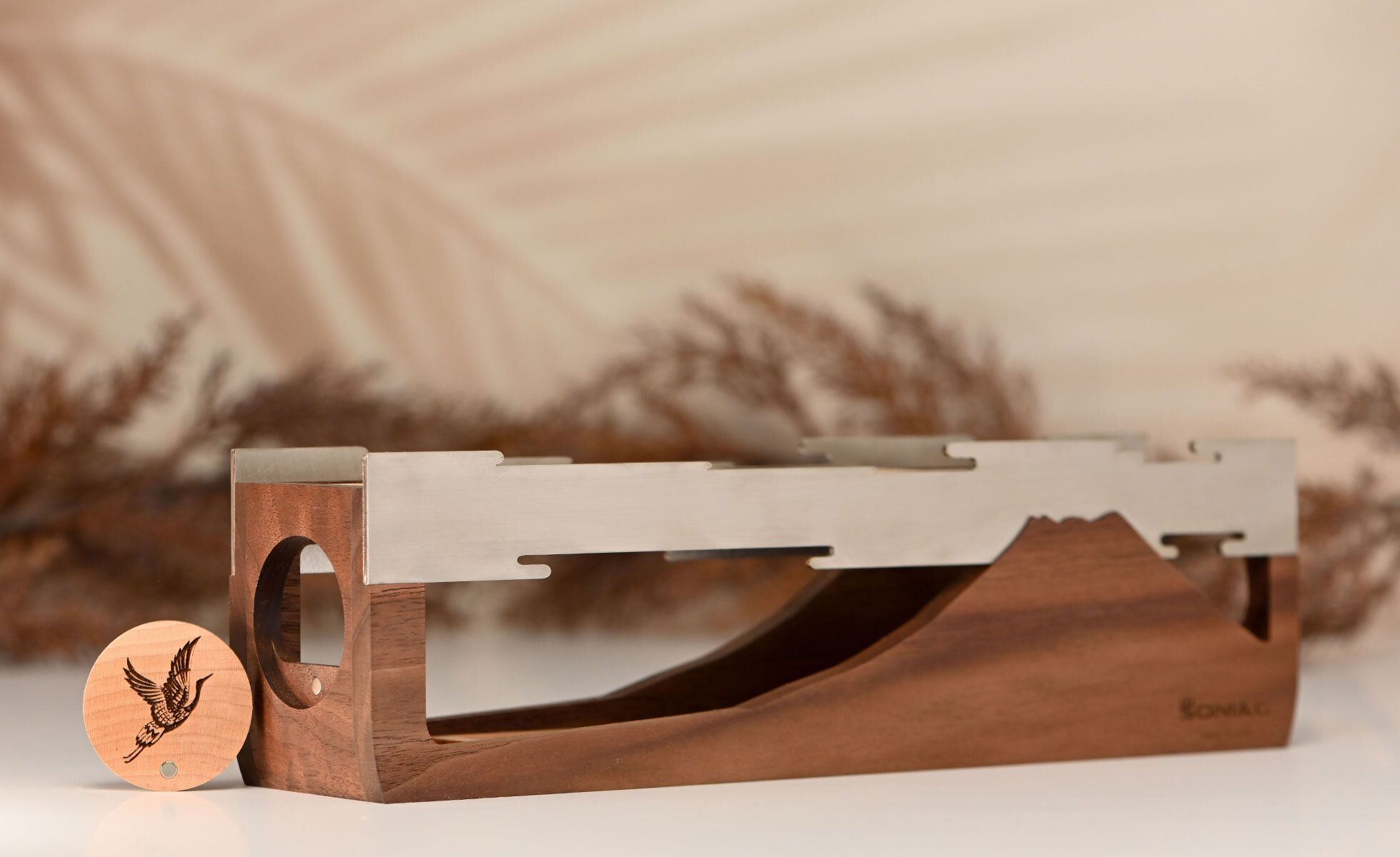
The finished piece reflects that care at every level. The design is partially see-through, so the handles of whatever brushes you place inside remain visible—their colors and shapes becoming part of the composition. Interchangeable elements inspired by the moon and the sun let users shift the piece’s mood depending on the day or the space. The hope, Mr. Kazuma Iwata said, is that people can ask themselves: “What kind of landscape does it look like today?” Mount Fuji, after all, looks different depending on where you stand, what time it is, and what season surrounds it. The brush holder was made to work the same way.
The significance of the recognition
Both projects share something beyond their craft: they exist because of a relationship built on genuine respect and time spent together. Sonia visits Japan, learns the history, asks real questions, and brings that understanding back to the people who buy these pieces. The artisans from both collaborations speak to this directly—not as a formality, but as something that has quietly changed what’s possible for them.
When traditional techniques are seen and understood, they’re easier to keep alive. The next generation of artisans who will carry these skills forward are more likely to feel confident in that work when they see it recognized globally, from people around the world who use these brushes daily.
That’s what these three wins represent. Not just beautiful objects, though they are that. But proof that patience, precision, and hundreds of years of accumulated knowledge still have a place in the world—and that the people who hold that knowledge deserve to be seen.
This is a moment worth celebrating, and Sonia’s doing exactly that. Something new is coming—stay tuned. (Editor Update: Sign up for notifications here.)
The Keyaki Kakishibu brushes were manufactured by Mr. Fujimori Uematsu and the artisans at KOYUDO. The Cranes over Mount Fuji Act 3 brush holder was created in collaboration with Kazuma Iwata and his team of artisans.
Visit Sonia G.'s blog to read the full The Traditions Kakishibu Interview and Cranes Over Mt. Fuji Act III Interview.
Featured Brands

You Might Also Like
-
Studio B
Why You Can Save the World and Still Be Glamorous
-
Makeup Brushes
Top Tools with Sonia G. and Makeup Artist Tor Torre
-
Behind the Brand
Ellis Faas on Inspiration, Passion, Style, and the Challenges and Joys of Being a Makeup Artist Today
-
Behind the Brand
Meet Pretti5—A Brand Inspired by the Founder’s Personal Skin Struggles
-
Behind the Brand
Stop Motion Makeup!
-

Behind the Scenes
What We Know About Shane Dawson’s Makeup Collection with Jeffree Star


