


 When it comes to hydration, two ingredients often stand out in skincare: squalane and hyaluronic acid. While both are known for boosting moisture, they work in different ways. Here’s a breakdown of how they compare—and why you may want to use them together.
What is squalane?
Squalane (with an “a”) is a stable, lightweight oil lab-derived from squalene, a lipid our skin naturally produces. As we age, our natural squalene production decreases, leading to drier skin. Squalane mimics this natural sebum, making it an ingredient the skin easily recognizes and absorbs.
Squalane is an emollient, and works by creating a lightweight barrier on the skin’s surface to prevent transepidermal water loss (TEWL). It doesn’t necessarily hydrate the skin; it locks in the moisture that is already there. It’s non-comedogenic and suitable for all skin types, but typically best for dry, mature, sensitive, and acne-prone skin.
What is hyaluronic acid?
Hyaluronic acid is a major component of the skin’s structure and is responsible for its plump, hydrated appearance. Just like squalane, our skin produces less hyaluronic acid as we age.
Hyaluronic acid is a humectant, and works like a sponge, attracting and holding onto water molecules and pulling them into the skin. A single gram can hold up to 1,000 times its weight in water. It deeply hydrates and plumps the skin, and delivers a major hydration boost when applied to damp skin.
How are the ingredients different?
While both squalane and hyaluronic acid provide moisture, they work differently. Hyaluronic acid is a humectant and draws water into the skin, while squalane is an emollient, which means that it acts as a barrier and traps moisture in the skin. Think of hyaluronic acid as a drink of water, while squalane is the bottle cap that keeps the water from evaporating.
Different skin types can also benefit from each ingredient. Because of its light texture, hyaluronic acid works best on oily and acne-prone skin, while squalane is especially effective for drier skin types.
How can squalane and hyaluronic acid be incorporated into a skincare routine?
Good news: you can incorporate these hydration heroes into practically any step of your routine. From serums to moisturizers, here are some of the best ways to incorporate each.
Squalane
Squalane can typically be found in facial oils, creams, and treatments that deliver long-lasting nourishment.
Try:
-
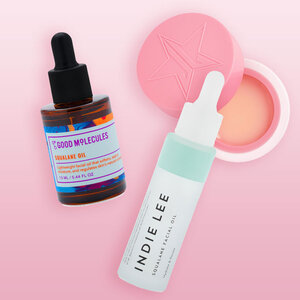
Good Molecules Squalane Oil ($8): Lightweight, fast-absorbing, and great for everyday hydration without greasiness.
-
Indie Lee Squalane Facial Oil ($38): A clean, plant-derived oil that balances and nourishes skin while supporting elasticity.
-
Jeffree Star Cosmetics Repair & Revive Lip Mask ($17): A squalane-rich treatment that restores dry lips overnight with a cushiony, nourishing texture.
Hyaluronic Acid
You’ll often find this powerful humectant in cleansers, serums, and elixirs that deliver hydration at different stages of your routine.
Try:
-
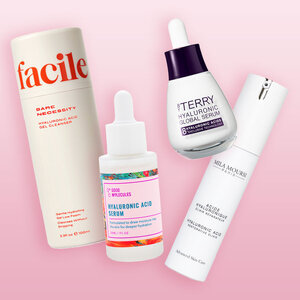
Facile Bare Necessity Hyaluronic Acid Gentle Foaming Cleanser ($22): A hydrating, non-stripping cleanser that refreshes skin while maintaining moisture.
-
Good Molecules Hyaluronic Acid Serum ($6-$12): A budget-friendly serum with multiple molecular weights of HA for deeper hydration.
-
Mila Moursi Hyaluronic Acid Restorative Elixir ($98): A luxe treatment that helps restore elasticity and firmness with a concentrated dose of hydration.
-
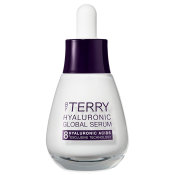
BY TERRY Hyaluronic Global Serum ($98): A lightweight yet powerful serum that smooths the look of fine lines.
Can you combine squalane and hyaluronic acid in one routine?
As well as these ingredients work on their own, they’re even better together. For the most effective results, use a hyaluronic acid serum or elixir first to flood skin with hydration (remember to apply to damp skin!), then follow with a squalane oil or cream to lock it in.
Featured Products



You Might Also Like
-

Behind the Brand
How UMA Sources the World’s Best Essential Oils
-
Skincare
Top 5 Beauty Editor-Approved Eye Treatments
-

Self-Tanners
5 Best Self-Tanning Products 2019
-
Skincare
5 Must-Try Multitasking Eye Creams
-
Skincare
4 Ways to Fight Dry Winter Skin
-

Skincare
The Most Effective Toners Based on Your Skin Type


