


Setting Powder vs. Finishing Powder: I Finally Learned the Difference (And You Should Too)
Published Feb 20, 2026

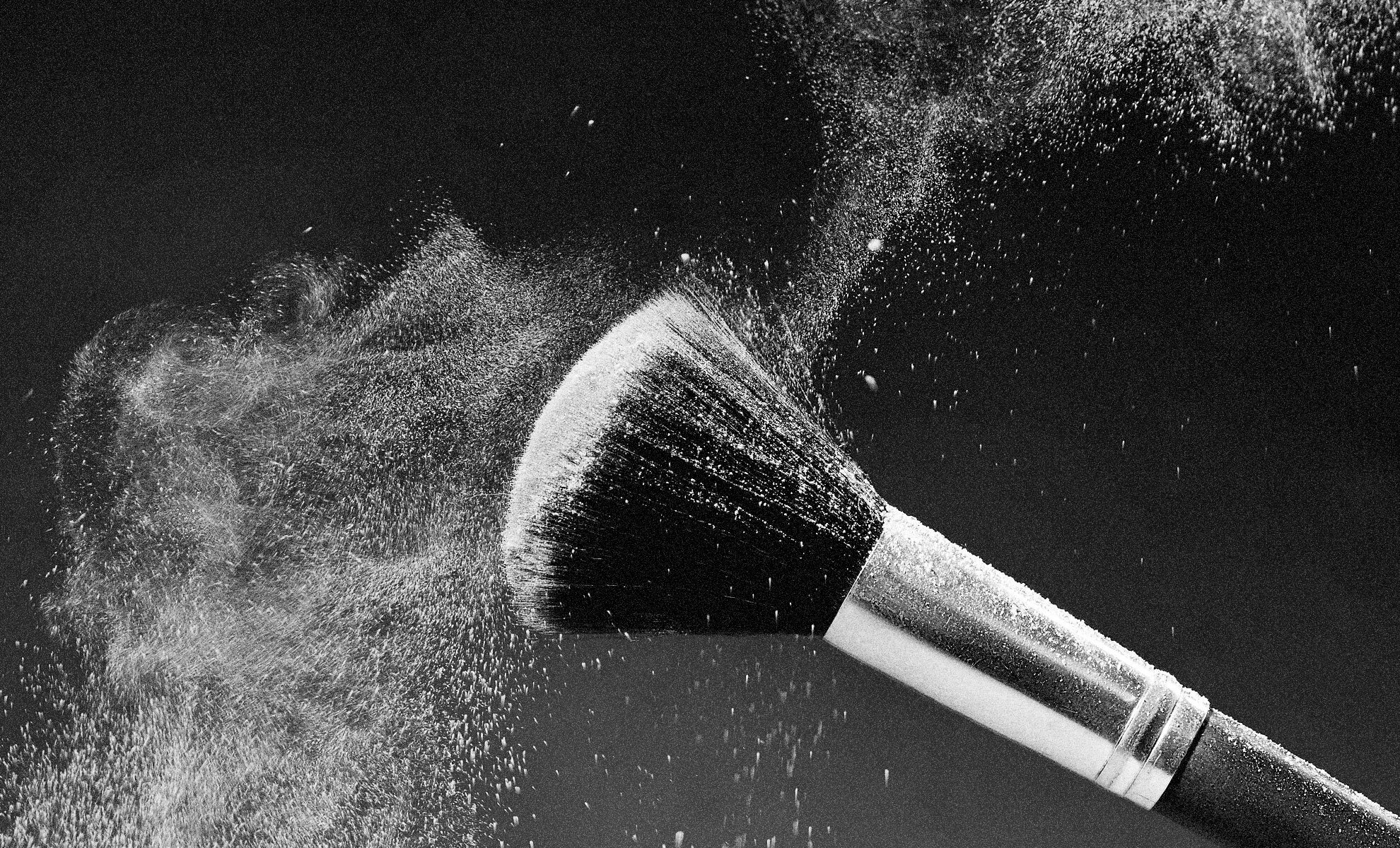
As a beauty editor, I’m embarrassed to admit I was using finishing and setting powders interchangeably for far too long. But come to find out, it’s not just a clever marketing tactic to convince us to buy more products. They really do serve completely different purposes, and understanding the distinction has changed my makeup routine.
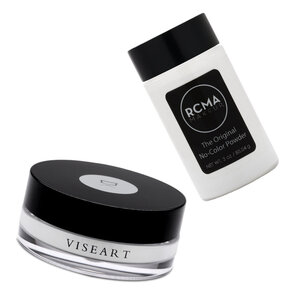 Setting Powder: Your makeup’s best friend
Think of setting powder as hairspray for your face. It locks everything in place—foundation, concealer, cream blush, all of it. It absorbs excess oil, prevents your makeup from creasing or sliding around, and keeps everything exactly where you put it for hours. If you have oily or combination skin (or if you’re layering liquid and cream formulas), setting powder is your MVP. It typically features a matte finish, so you can consider shine handled.
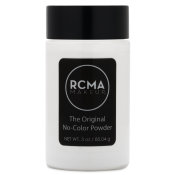
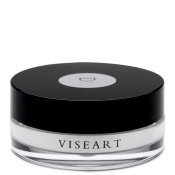
Beautylish recommends:
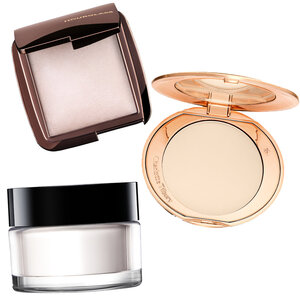
Finishing Powder: The soft-focus secret
Finishing powder, on the other hand, is all about refinement. It’s that final step that blends and blurs everything together for a polished, almost filter-like effect. Instead of mattifying, it softens—think fine lines, pores, and harsh makeup edges. Most finishing powders are formulated with light-reflecting particles that create a subtle, luminous finish. Instead of oil control, finishing powder’s job is making your skin look like the best version of itself.
Beautylish recommends:
- Manasi 7 Silk Finish Powder
- Charlotte Tilbury Airbrush Flawless Finish
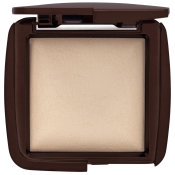
- Hourglass Ambient Lighting Powders
Do you actually need both?
Honestly? Probably not. Two layers of powder can feel heavy and look cakey. For most people, one powder is plenty—but which one depends on your skin type and what you’re trying to achieve. Oily skin and worried about your makeup melting off by noon? Setting powder. Want that soft, glowy, airbrushed look? Finishing powder. Once you know the difference, the choice becomes pretty obvious.
Featured Products
-
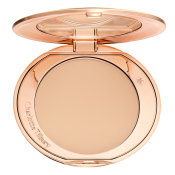
Charlotte Tilbury
Airbrush Flawless Finish Refillable Blurring & Setting Powder
$50
4 Shades Available
/ 194

You Might Also Like
-

Beautylish Recommends
3 Quarantine Must-Haves, According to Our Editors
-
Eyebrows
The Best Brow Gel for Every Shade of Redhead
-
Beautylish Recommends
Sweat-Proof Matte Makeup To Withstand the Summer Heat
-
Setting Powder & Sprays
Setting Spray vs. Setting Powder: What’s the Difference?
-
Beautylish Recommends
Inclusive, Innovative, and Intentional: 5 Black-Owned Beauty Brands to Know
-
Stories
How the Lockdown Affected Our Relationship With Makeup


