


Ever feel relieved to see a pimple disappear then notice a dark spot forming underneath, or get frustrated at the marks that seem to appear overnight on your skin? Pigmentation is the skin’s way of protecting itself, but to the mirror, it’s just an unsightly annoyance. According to New York City-based dermatologist Anne Chapas, M.D., there are plenty of ways to rid yourself of these annoying spots, and it all starts with proper sun protection.
“The dark spot that forms when a pimple disappears is called post-inflammatory pigmentation,” explains Dr. Chapas. “Your skin has just been damaged and hurt, so the area is inflamed. Then, when it hits sunlight, the inflamed area immediately turns dark.” This intensity in color is caused by melanin, a molecule in your skin that turns brown when it is trying to protect itself. A tan is essentially melanin molecules changing color all over your body to protect your cells from damage—think of it as an external band-aid. In terms of treatment, there are a few options. “Never pick the pimple, this will increase the inflammation and pigmentation,” warns Dr. Chapas. “As soon as the skin has healed, apply SPF every day.”
And sunspots? Unfortunately they can’t be treated the same way as regular pigmentation (the damage is is more permanent!), so enlist the help of a laser or strong chemical peel. Of course, lightening serums and retin-A products do work to some extent, but at a much slower pace. And remember, sunscreen is your best friend.
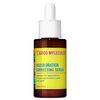
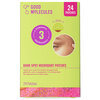
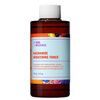
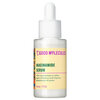
Good Molecules: See a difference in your skin


You Might Also Like
-
DIY
Easy DIY After-Sun Lotion
-

Skincare
How to Choose the Right Vitamin C for You
-

Skincare
What Can Stem Cells Really Do For Your Skin?
-

Makeup Removers
Splurge or Save: Makeup Removers
-

Skincare
5 Must-Try Multitasking Eye Creams
-

DIY
Cold Busters: Spa-Inspired Ways To Kill A Cold Fast
-
Skincare
Must-Have Beauty Ingredients From Around the World
-
Product Spotlight
The Face Exfoliator That Really, Really Works