



If there’s one skincare ingredient we would recommend for almost anyone, it’s vitamin C. That’s right—the vitamin in your orange juice is one of the most well-researched skincare ingredients out there, and it’s been scientifically proven to have a variety of benefits:

-
Reducing the look of lines and wrinkles and improves elasticity by regulating collagen production.
-
Brightening discoloration from acne scars, age spots, and sun damage by reducing melanin production in the skin.
-
Provides protection from free-radical damage caused by the sun, blue light from your cell phone, and other environmental stressors.
-
Heals acne by soothing irritation and inflammation.
-
Supports the skin’s barrier function so that it’s less susceptible to moisture loss.
How to Choose a Vitamin C Product
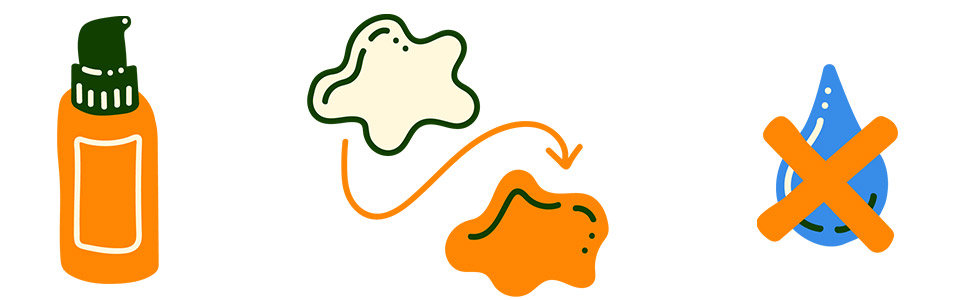
Like any antioxidant, vitamin C is sensitive to light and air—meaning that when exposed, it degrades and eventually becomes ineffective. So, proper packaging and formulation is key to finding a product that actually works. Here are some things to look for when choosing a vitamin C product:
-
Airtight, opaque packaging (e.g. pump bottles and tubes, not jars).
-
Clear or pale in color (vitamin C turns orange/brown when it oxidizes).
-
Contains no or little water (unless the product has stabilizing ingredients, like vitamin E and ferulic acid).
-
Proper pH depending on the type of vitamin C (see below).
The Different Types of Vitamin C
Now comes the confusing part. There are many different types of vitamin C out there, all with complicated names that don’t tell you much about which one to choose. Below, we break down the most commonly found forms of vitamin C in skincare.
Ascorbic acid (aka l-ascorbic acid)
-
Pure form of vitamin C
-
Most effective of all types of vitamin C
-
Stable at pH 3.5
-
Low pH can cause irritation, so may not be best for sensitive skin
-
Concentrations of 10% to 20% yield the best results
Ascorbyl glucoside
-
Vitamin C derivative
-
Converts into ascorbic acid when applied to skin
-
Thought to be most stable form of vitamin C
-
Better choice for sensitive skin
Ascorbyl palmitate (aka vitamin C ester)
-
Oil-soluble vitamin C derivative
-
Converts into ascorbic acid when applied to skin
-
More stable than ascorbic acid
-
May penetrate the skin faster than other forms of vitamin C
Ascorbyl tetraisopalmitate
-
Oil-soluble vitamin C derivative
-
Converts into ascorbic acid when applied to skin
-
Stable at pH < 5
-
May penetrate the skin better than other forms of vitamin C
Ethylated ascorbic acid (aka 3-O-ethyl ascorbic acid)
-
Ethylated form of vitamin C
-
May be more stable than ascorbic acid
-
Not very well-researched
Magnesium ascorbyl phosphate (MAP)
-
Vitamin C derivative
-
Converts into ascorbic acid when applied to skin
-
Less potent than ascorbic acid
-
Stable at pH 7
Sodium ascorbyl phosphate
-
Derivative of vitamin C
-
Stable at pH 7
-
Not very well-researched
Tetrahexyldecyl ascorbate
-
Oil-soluble derivative of vitamin C
-
Converts into ascorbic acid when applied to skin
-
More stable than ascorbic acid
-
May penetrate the skin better than other forms of vitamin C
Based on the research, ascorbic acid (the pure form of vitamin C) is the most effective type of vitamin C, but it might not be the right choice for you. An ascorbic acid product could irritate your skin and oxidize in a week. So, a well-formulated and properly packaged serum with MAP may work better and last longer.
Illustrations by Megan Badilla
Good Molecules: See a difference in your skin

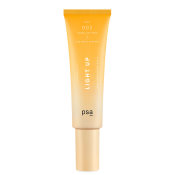
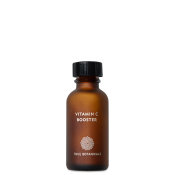
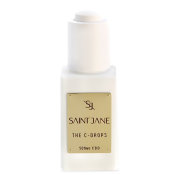
Featured Products



You Might Also Like
-
Skincare
7 of Our Top Fragrance-Free Beauty Finds
-

Skincare
The Benefits and Limitations of Tea Tree Oil
-
Products
Why Is Grapefruit Good For Your Skin? Find Out Here!
-

Makeup Removers
Splurge or Save: Makeup Removers
-

Skincare
What Can Stem Cells Really Do For Your Skin?
-

Makeup
Temptalia's Beauty Secrets
-

Tips & Tricks
Four Ways to Deal with Makeup Fallout
-

Skincare
Acne Scars? Here’s How to Start Healing