


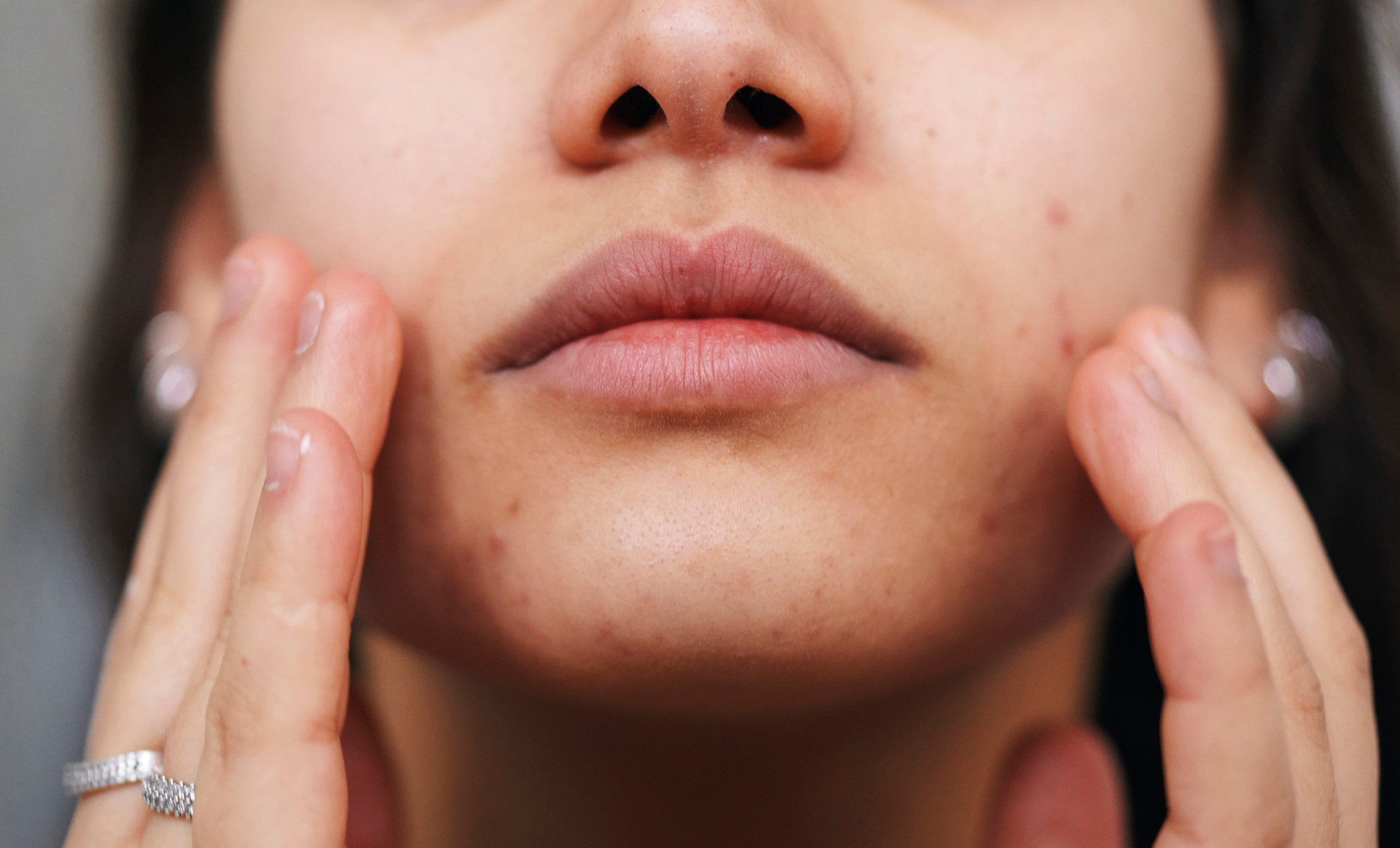
PSA: No two pimples (or the treatment methods) are the same. And if you’ve been dealing with small, itchy breakouts that don’t seem to budge, it may not be your textbook acne. Malassezia folliculitis, aka fungal acne, stems from an overgrowth of yeast hijacking your hair follicles and requires an entirely different treatment than your typical acne.
Keep reading to learn more about this common skin issue, potential causes, and how to treat it effectively.
What is fungal acne?
Fungal acne is actually a common nickname for Pityrosporum folliculitis or Malassezia folliculitis. Unlike bacterial acne, which involves bacteria, dead skin cells, and oil clogging the pores, fungal acne is caused by an overgrowth of a yeast called Malassezia.
This may sound alarming, but malassezia yeast is actually a healthy inhabitant of human skin, part of our natural skin microbiome. However, under certain conditions, an overgrowth can infect the hair follicles, leading to inflammation.
Signs of fungal acne include:
-
Small, uniform bumps usually around 1-2 mm in size.
-
Intense itchiness, whereas bacterial acne may feel more inflamed, tender, or sore.
-
Appearances on the chest, back, shoulders, and upper arms—areas prone to sweat and oil production.
What causes fungal acne?
Like bacterial acne, there’s no one root cause of fungal acne. Several factors can lead to these annoying, itchy bumps, including:
-
Trapped Moisture: Sweat and humidity create an ideal environment for yeast to thrive.
-
Oily Skin: Malassezia feeds on lipids (fats/oils), including the sebum your skin produces.
-
Antibiotics: Oral and topical antibiotics (oral or topical) can kill off the beneficial bacteria that help keep yeast populations in check.
-
Certain Skincare Products: Heavy moisturizers, oils, and sunscreens containing ingredients that feed the yeast (like certain fatty acids and chemical compounds) can worsen the condition.
-
Contact With Others: Unfortunately, yeast is known for spreading. If you’ve had bodily contact with someone with fungal acne, it could lead to contracting it.
How to Treat Fungal Acne
Because fungal acne is caused by yeast, typical acne-fighting ingredients like benzoyl peroxide and salicylic acid won’t work, and can even make it worse. Instead, focus on ingredients and treatments that control the yeast overgrowth.
Topical Antifungal Ingredients
Remember: your standard acne-fighting products won’t help with fungal acne. So reach for antifungal ingredients like ketoconazole, selenium sulfide, pyrithione zinc, clotrimazole, and sulfur. Most of these ingredients can be found in anti-dandruff shampoos and antifungal creams.
Adjusting Your Skincare Routine
Malassezia yeast feeds on certain fatty acids and esters (ingredients ending in—ate), so be mindful of products containing coconut oil, olive oil, lauric acid, myristic acid, and fermented ingredients. Avoid harsh scrubs and reach for simple moisturizers formulated with hydrating ingredients like glycerin and hyaluronic acid.
Healthy Workout Habits
Trapped moisture can quickly lead to yeast overgrowth, so change clothes and rinse off quickly after each workout. If it’s especially hot and/or humid outside, wear loose, comfortable clothing made with moisture-wicking fabrics or natural fibers like cotton.
Prescription Medication/Professional Care
If OTC options aren’t working, it’s time to call the dermatologist. They may prescribe stronger topical or oral antifungals, like prescription-strength ketoconazole or fluconazole. They may also perform a skin scraping to examine the skin cells or a biopsy.
You Might Also Like
-

Skincare
All About Serums: Stop Depriving Your Skin of These Effective Formulas
-
Skincare
Must-Have Beauty Ingredients From Around the World
-
Sun Protection
The Best Products to Prevent Wrinkles
-
Skincare
5 Must-Try Multitasking Eye Creams
-

Skincare
What's Your Skin Doing While You Sleep?
-
Skincare
7 Best Eye Treatments


